Expert tree pruning isn't just about aesthetics—it’s a proactive investment that extends the life of your canopy and prevents the high cost of emergency removals.
Recognizing the early warning signs can save your tree—and your property. If you notice any of the following, it’s time for a professional touch:
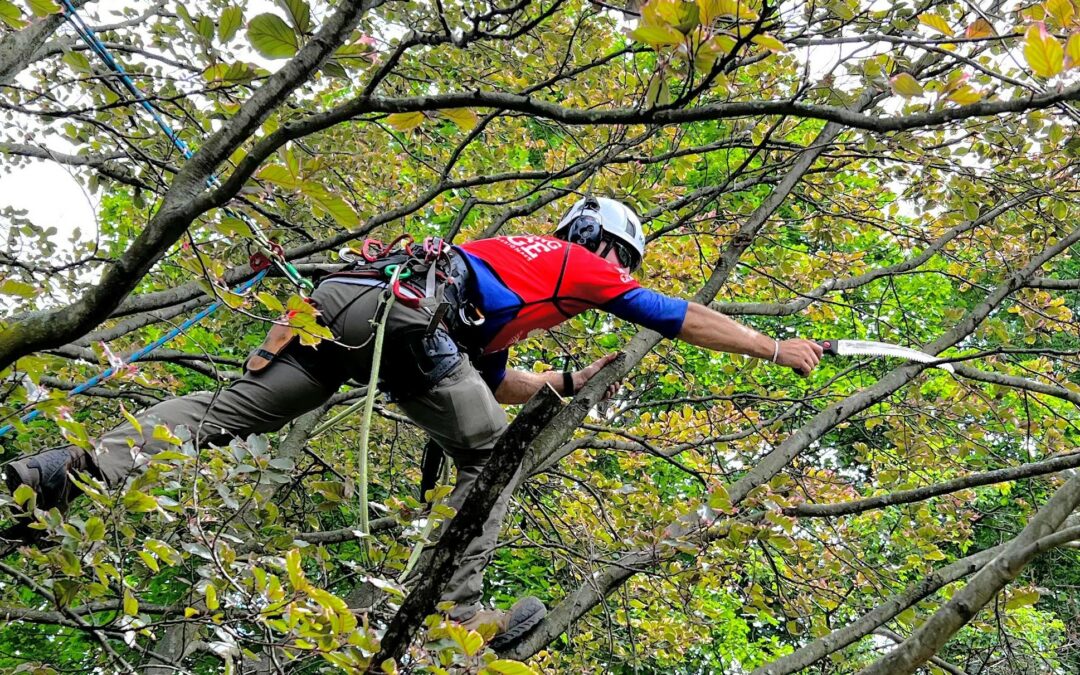
At Eugene Tree Health Care, we don't just "cut branches"—we perform surgical enhancements to improve tree health.
Ideal for young trees, this service establishes a strong central leader and scaffold branches. We guide the growth early to prevent costly structural failures as the tree matures.
We selectively remove dead, diseased, or weak branches. This reduces wind resistance and allows light to penetrate to your lawn and the inner "heart" of the tree.
By removing the lowest branches, we provide clearance for pedestrians, vehicles, and structures, creating a clean, manicured look for your landscape.
For trees that have been damaged by storms or previous poor pruning (like topping), we work to re-establish a natural shape and promote healthy new growth.
We’ve refined our workflow to ensure your property remains clean and your trees remain stress-free.
The Deliverable: Every client receives a Tree Health Summary, detailing the work completed and a roadmap for future maintenance to ensure long-term vitality.
Eugene Tree Health Care isn't just a business; we are stewards of the Willamette Valley’s urban forest.
Our team lives and works in Lane County. We understand the specific needs of the Douglas-firs, Bigleaf Maples, and Oregon White Oaks that define our skyline. We tailor our pruning schedules to the local climate, ensuring we never prune at a time that invites local pests or diseases like Oak Wilt.
Most mature trees benefit from a professional pruning every 3 to 5 years. However, faster-growing species or fruit trees may require annual attention to maintain fruit production and structural integrity.
While "deadwooding" can be done year-round, most structural pruning is best performed in the late winter (dormant season) to minimize stress and prevent the spread of seasonal pathogens.
Pruning doesn't necessarily speed up growth, but it redirects the tree's energy. By removing dead or unnecessary limbs, the tree can focus its nutrients on the healthiest branches and root development.
Not necessarily! As long as we have clear access to the property and any pets are secured, our crews can complete the job and send your final report and invoice electronically.
For safety reasons, branches within 10 feet of high-voltage utility lines must be handled by utility-certified line clearance arborists. We can assess the situation and advise you on the best course of action.
Topping is the harmful practice of cutting across main stems, which leads to decay and weak regrowth. At Eugene Tree Health Care, we never top trees; we use proper thinning and reduction cuts that preserve the tree's health.